One Small Vote
Rethinking habits, identity, and what actually sticks
As the year winds down, I’ve been thinking about healthy habits. The past nine months have been a whirlwind of travel, family visits, and celebrations — wonderful, but not exactly conducive to consistency. Beyond trying not to get sick on cruises (with mixed results), my health hasn’t been top of mind.
The quiet days between Thanksgiving and Christmas feel like the right time to take stock. Physically, I’m ending the year close to where I started — and honestly, close to where I’ve been for the past twenty years. I still carry more weight than I’d like, and as a Type 2 diabetic my A1C needs improvement. Other metrics could improve too, but they all correlate with those two. My efforts in both areas have been… sporadic. I know what to do. I simply haven’t done it with any real consistency.
Eat less (and better), move more. I believe it. I just haven’t lived it. And that’s the part that worries me. If I haven’t built these habits after decades of trying, what makes me think I can turn the ship now? During my working years, there was a never-ending list of reasons—read, excuses—for ignoring well-acknowledged healthy habits. Those excuses aren’t there anymore.
A few weeks ago, I revisited Atomic Habits by James Clear. He writes about how every action you take is a “vote” for the kind of person you want to be. Each workout is a vote for “I’m someone who works out.” Each skipped workout is… well, a different vote. Through that lens, the pattern was hard to ignore: for years I’ve essentially been voting to be an overweight, out-of-shape person. No wonder the results match the tally.
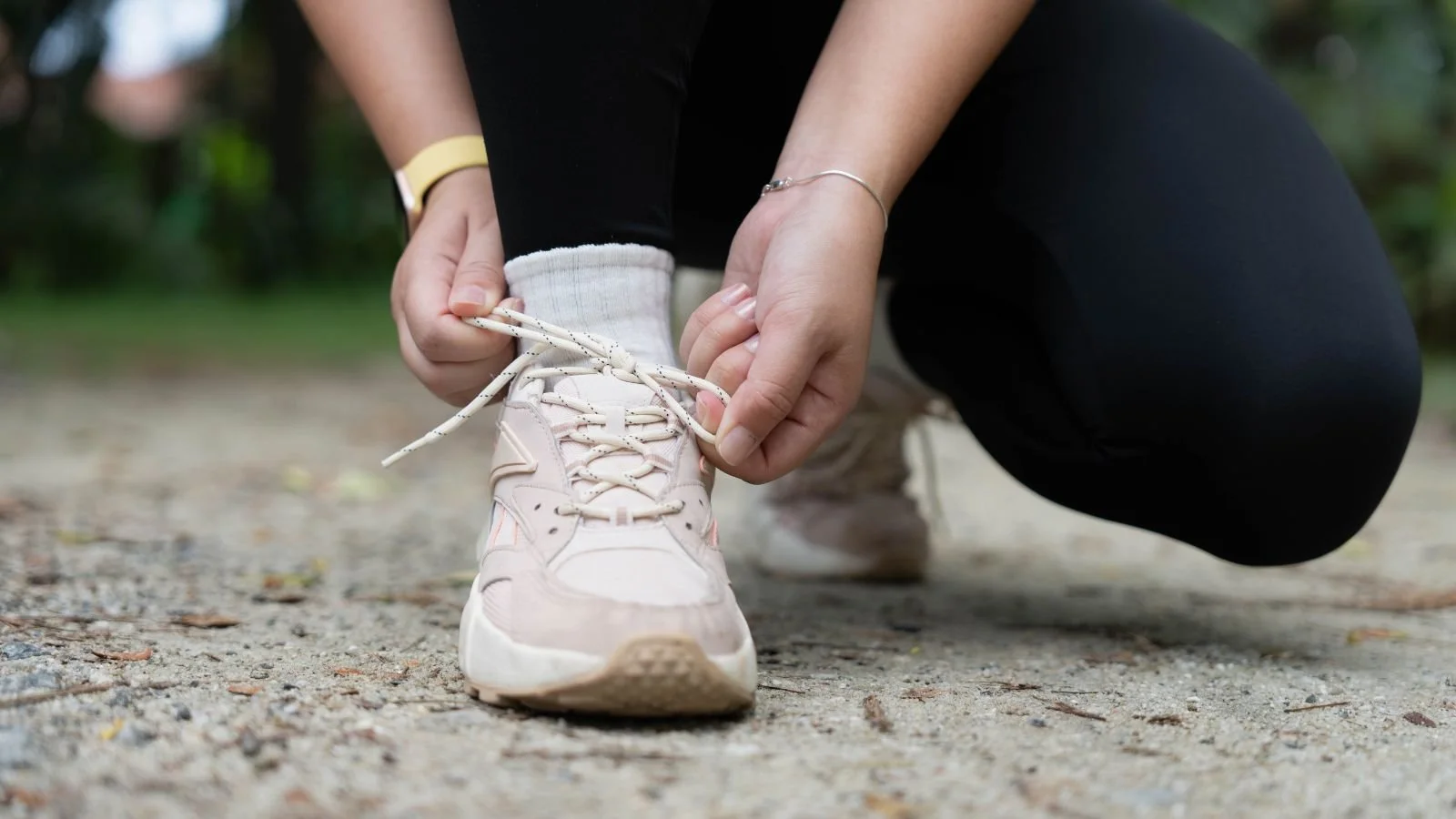
It’s not a dramatic epiphany, but it did nudge my self-talk in a more helpful direction. Clear’s other mantra — “start small” — gave me something manageable to commit to. So I set one tiny goal: five minutes of movement every morning after walking the dog. Nothing heroic, just five minutes. At least five days a week.
A couple of weeks in, I’ve kept the commitment. Most mornings the five minutes turn into fifteen or twenty, which feels like a win. But I’m not pushing it. I’m casting small votes. So far, I’ve cast twelve.
I’ll revisit this topic in the new year as I start looking at diet more closely. For now, it just feels good to head into January with a plan — before the wave of self-help noise crashes in.
The Day After the Last Day
What panic, purpose and a rainy Monday taught me about reinvention.
The countdown to that special day—the last day of work—can be exquisite. You’ve given your notice, and now you’re checking off exit tasks, handing off projects, answering SO many questions. And hearing, “I wish I could come with you!” It feels wonderful.
For me the end of that countdown was a Friday, March 8th, 2025. That weekend I dismantled my home-office desk, the place where I’d sat for so many 12-hour days and taken so many Teams calls. It felt important to draw the line cleanly: I’m not working anymore. The party has begun. I packed up my laptop for return, tossed the stack of old notepads, and posted the desk to a neighborhood give-away page. It was gone within an hour—my old workspace carried out by a stranger.
I had spent years planning the financial side of retirement. What I hadn’t planned for was the abrupt disappearance of my work identity—the part of me that had been validated for decades.
So when Monday rolled around (a cold, rainy, dismal Monday), panic set in. After all the preparation, research, and anticipation of “living my best life,” the reality of not logging on—not being needed—knocked me sideways. What do my days look like when no one needs me? I’d always heard that men feel this loss of the work persona more acutely, but in that moment I realized it has nothing to do with gender—it’s about identity and purpose. And it hit me hard.
A day later, after some honest reflection, I reminded myself that the same qualities that earned me respect at work—clarity, problem-solving, reliability—would still serve me in retirement. And I’m convinced that if the weather had been better, the panic would’ve been far less dramatic. By Tuesday my inner monologue had shifted to: “Okay. Deep breath. You’ve got this.” I had a whiteboard full of small projects and several trips already booked, starting with a short cruise at the end of March. I picked something small, put my hands in the dirt in the garden, prepped for that first trip. A rhythm began to form.
I’m not under the illusion that chores and travel will ever give me the same validation I got from work. But they were a beginning—a springboard into figuring out what a meaningful life in this phase might look like. Small steps. Repeatable ones. Adding a little structure to an empty calendar gave me something to build from.
I can’t say I’ve discovered my life’s purpose yet. And that’s okay. Purpose isn’t a lightning strike—it’s something you uncover through exploration and experimentation. And for the first time in decades, I finally have the space to follow where that exploration leads.